About the documentary
The tragedy that changed labor law.
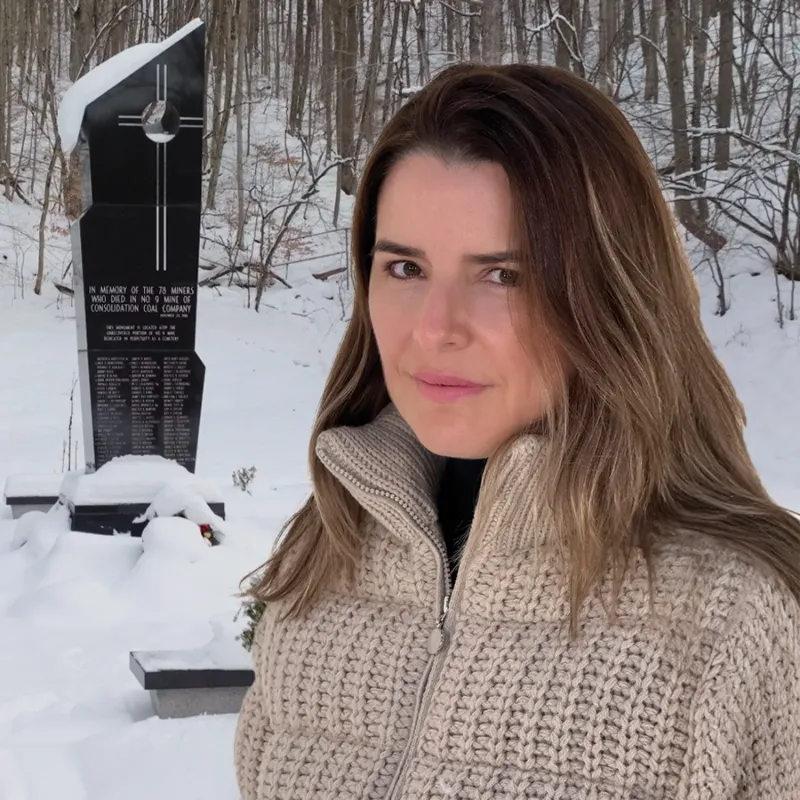
On a morning in November of nineteen sixty-eight, an explosion at Consol No. 9 mine in Farmington left seventy-eight men trapped hundreds of meters below ground, and the families waiting at home began a vigil that would last ten full days without any official news about the bodies. The documentary follows what happened over those two weeks through the testimony of those who stayed behind, because the story isn't really about the collapse itself, but about the silence that followed.
Andreza Araújo handles this film the way an accident investigator handles her work when there is still respect for the craft, which means no rush, no imposed narration, letting the archives and the descendants speak for themselves. As the film unfolds, it becomes clear that Farmington was not just an industrial accident, because the public outcry that built up over those ten days ended up pressuring the U.S. Congress, the following year, to pass the first major federal mining safety reform in the country's history.
The reach of that reform traveled from country to country over the decades, until the International Labour Organization chose April twenty-eighth as the official date to honor workers killed and injured on the job, and this is the thread the documentary tries to retrace for an international audience. Anyone who watches walks out knowing where the date written on every safety poster actually came from, and what needs to happen inside each company so that April twenty-eighth keeps being more than just paperwork.